

If you’ve been in an accident and brought your car to a collision shop, your car may have been considered a total loss vehicle. Even if the visible damage doesn’t seem that bad. However, determining whether a car is totaled isn’t just about what you can see on the surface. It’s a calculation based on repair costs, hidden damage, and your car’s actual cash value (ACV). Let’s break down exactly what a total loss vehicle means and what you need to know if you find yourself in this situation.
How is a vehicle declared a total loss?
A total loss vehicle is one where the cost to repair the damage is higher than the car’s value. Whether or not your car is a total loss is solely up to the decision of the insurance company. The auto body shop that may repair your vehicle will not be able to deem a total loss.
To declare if your car is a total loss, an insurance companies typically use a formula that considers:
- The Actual Cash Value (ACV). This is what your car was worth before the accident.
- Repair Costs. If the cost of repairs plus salvage value meets or exceeds a set percentage of the ACV (usually around 75%–80%), the car is declared a total loss.
- Hidden Damage. What looks like minor damage can often reveal extensive structural or mechanical issues once disassembly begins.
Many clients may not expect their car to be a total loss, especially if the visible damage appears minimal. However modern vehicles are designed with crumple zones and safety structures that absorb impact. This can often lead to more extensive internal damage than meets the eye.
The Costs Associated with a Total Loss
One part of dealing with a total loss vehicle is the unexpected costs that may arise. Even if no repairs are ultimately completed. While insurance companies generally account for certain fees in their total loss settlements, it’s important to be aware of these expenses which include but are not limited to:
- Storage Fees. Once your car is at a shop, storage fees may accumulate daily until insurance or the owner makes a decision.
- Disassembly and Inspection Fees. To fully assess the full damage and determine if it is indeed a total loss, technicians will need to take apart sections of your car. Even if the vehicle is unrepairable, this labor still requires payment.
- Hazardous Waste Disposal. Fluids, airbags, and damaged parts need proper disposal, which can come with associated costs.
This is in no way an exhaustive list and may not apply to every collision shop. But this will be something that your insurance company will discuss with the shop you take it to.
What happens next with a total loss vehicle?
If your vehicle is a total loss, you generally have a few options:
- Insurance Payout. If you have comprehensive or collision coverage, your insurance will likely offer you a payout based on your car’s ACV.
- Keeping the Vehicle. In some cases, you can keep the totaled car, but it will have a salvage title, meaning it may be more challenging to insure or resell.
- Selling to a Salvage Yard. If you don’t want to keep the vehicle, you can sell it for parts or scrap value.
Ultimately it will come down to your personal financial decision and what you want to do with your property.
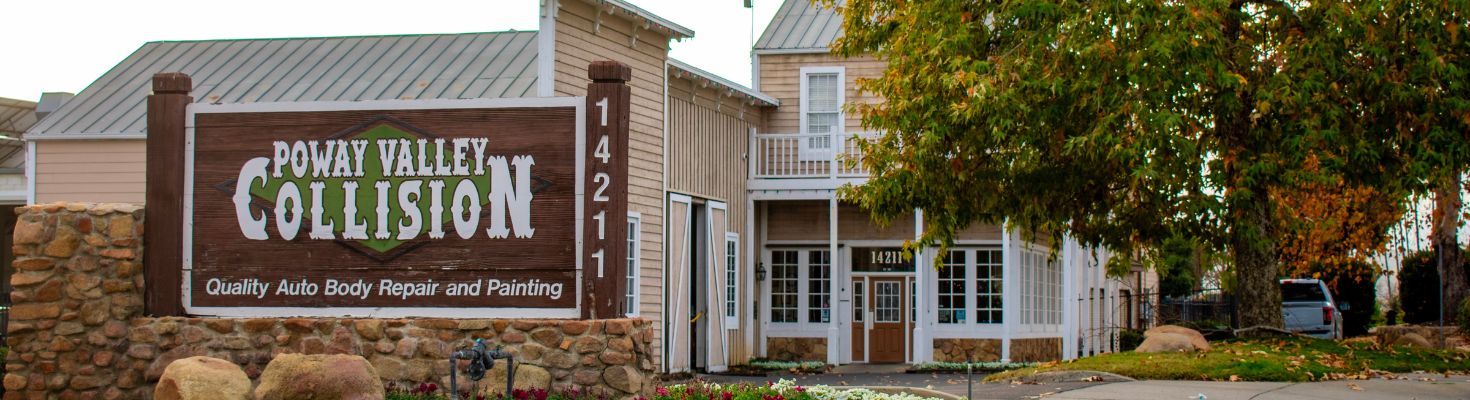
At Poway Valley Collision, we understand that dealing with a total loss vehicle can be overwhelming. Our team is here to walk you through the process, help answer any questions, and ensure you understand all aspects of your situation. If you have concerns about your vehicle’s damage or need guidance, don’t hesitate to reach out to us!



Leave a Reply